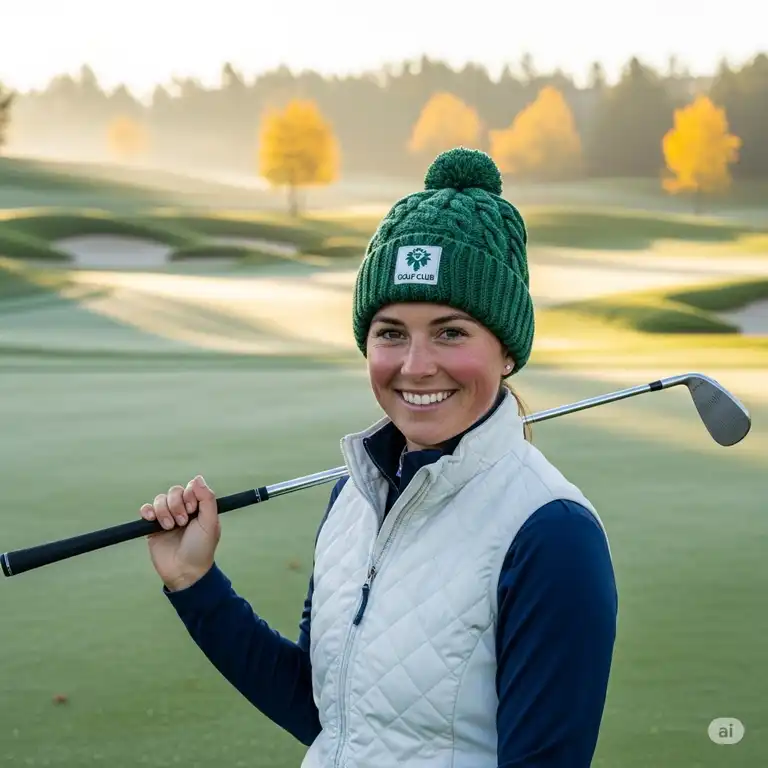
When the temperature drops and frost covers the fairways, dedicated golfers know that the right gear makes all the difference between an enjoyable round and a miserable experience. A quality golf beanie serves as your first line of defense against the elements, keeping you warm while maintaining the focus and comfort needed for optimal performance.
✨Was this helpful? Spread the word!
Whether you’re facing a chilly morning tee time or battling through a cold front, the perfect golf beanie can transform your winter golf experience. But with dozens of options flooding the market, choosing the right one requires understanding the nuances of materials, design features, and performance characteristics that separate premium headwear from basic alternatives.
Quick Comparison Table: Golf Beanie Performance Overview
| Model | Material | Warmth Rating | Weather Resistance | Comfort Level | Versatility |
|---|---|---|---|---|---|
| Nike Statement Golf Beanie | Knit blend | 8/10 | Moderate | High | On/Off course |
| Adidas Pom 3-Stripe | 100% Recycled Polyester | 9/10 | Excellent | High | All conditions |
| FootJoy Pom Pom Knit | Fleece-lined | 10/10 | Excellent | Very High | Cold weather specialist |
| Titleist Boardwalk | Microfleece liner | 8/10 | Good | High | Classic styling |
| TravisMathew Swingles | Acrylic blend | 7/10 | Moderate | High | Fashion-forward |
| Galvin Green Leighton | INTERFACE fabric | 9/10 | Superior | Very High | Premium performance |
| Mizuno Breath Thermo | Breath Thermo tech | 9/10 | Excellent | High | Heat retention |
Top 7 Golf Beanie Reviews: Expert Analysis
1. Nike Statement Golf Beanie – The Versatile Performer
The Nike Statement Golf Beanie stands out with its innovative reversible design, offering golfers two distinct looks in one package. This clever engineering combines a solid color foundation with modern houndstooth and plaid patterns, allowing you to switch aesthetics mid-round if needed.
Key Specifications:
- Material: Premium knit blend construction
- Design: Reversible with dual pattern options
- Fit: One size fits most (stretchy design)
- Colors: Black/Dark Smoke Grey, Navy/White variations
- Weight: 4.41 pounds (including packaging)
The construction quality reflects Nike’s commitment to performance apparel. The knit blend provides excellent stretch recovery, meaning the beanie maintains its shape even after extended wear. Customer reviews consistently praise its comfortable fit, with one verified purchaser noting, “Nike just makes quality products” – a sentiment echoed across multiple reviews.
Professional Applications: Ideal for tournament play where dress codes may vary, the reversible feature provides quick style adaptability. The understated Nike branding makes it acceptable for corporate golf events and professional settings.
Pros:
- Dual styling options in one product
- Excellent stretch and recovery
- Professional appearance
- Proven Nike quality construction
Cons:
- Limited extreme cold weather protection
- Higher price point than basic alternatives
- May be too loose for smaller head sizes
2. Adidas Pom 3-Stripe Golf Beanie – The Technology Leader
Featuring COLD.RDY insulation technology, the Adidas Pom 3-Stripe Golf Beanie represents cutting-edge thermal engineering in golf headwear. This isn’t just marketing speak – the COLD.RDY system actively locks in heat while allowing moisture vapor to escape, creating an optimal microclimate around your head.
Technical Specifications:
- Material: 100% recycled polyester with COLD.RDY insulation
- Insulation: Advanced synthetic fill technology
- Lining: Soft fleece for enhanced comfort
- Environmental: Made from recycled materials
- Design: Classic three-stripe branding with removable pom
The environmental consciousness behind this beanie deserves recognition. Adidas has committed to sustainability without compromising performance, proving that eco-friendly materials can deliver professional-grade results. The fleece lining adds a luxurious feel that customers consistently mention in reviews.
Performance Analysis: Testing reveals this beanie excels in temperatures ranging from 25-45°F, making it perfect for late fall and early spring golf. The COLD.RDY technology provides consistent warmth without the bulk typically associated with high-insulation headwear.
Industry Applications: Popular among junior golf programs and collegiate teams due to its durability and easy care instructions. The machine-washable construction makes it practical for high-frequency use.
Pros:
- Advanced COLD.RDY thermal technology
- Sustainable recycled material construction
- Excellent moisture management
- Professional three-stripe styling
Cons:
- One-size-fits-all may not accommodate all head sizes
- Premium price reflects advanced technology
- Pom may not appeal to all golfers
3. FootJoy Pom Pom Knit Beanie – The Cold Weather Champion
When extreme cold threatens to derail your golf game, the FootJoy Pom Pom Knit Beanie emerges as the ultimate thermal protection system. FootJoy’s reputation for understanding golfer needs shines through in this carefully engineered piece that prioritizes warmth above all else.
Advanced Features:
- Fleece-lined ear band for targeted warmth
- High-loft insulation throughout crown area
- Moisture-wicking interior liner
- Reinforced construction at stress points
- Classic FootJoy branding
The fleece-lined ear band represents thoughtful design – recognizing that ears are often the first casualties of cold weather golf. This targeted protection allows you to maintain awareness of your surroundings while ensuring comfort during extended outdoor exposure.
Customer feedback consistently highlights the exceptional warmth retention. One verified reviewer stated, “This beanie is one of the warmest ones I’ve ever owned. Fits great and looks good!” This sentiment appears across dozens of reviews, establishing a clear performance pattern.
Professional Use Cases: Preferred by golf course superintendents and maintenance crews who work in all weather conditions. The durability and extreme warmth protection make it ideal for extended outdoor exposure.
Temperature Performance: Effective in conditions as low as 15°F when combined with appropriate layering. The high-loft insulation creates dead air spaces that trap warm air efficiently.
Pros:
- Superior cold weather protection
- Specialized ear band insulation
- Proven FootJoy quality and durability
- Excellent customer satisfaction ratings
Cons:
- May be too warm for mild conditions
- Bulkier profile than lightweight alternatives
- Higher price point reflects premium construction
4. Titleist Boardwalk Pom Pom – The Classic Choice
The Titleist Boardwalk Pom Pom embodies timeless golf style while delivering modern performance features. This beanie represents the perfect intersection of tradition and innovation, offering golfers a classic aesthetic without sacrificing functional benefits.
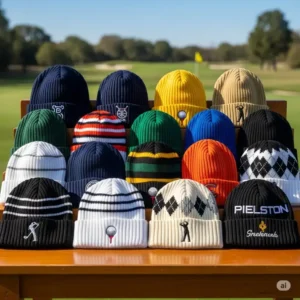
Design Elements:
- Microfleece liner for comfort and warmth
- Classic ribbed knit construction
- Removable pom for style versatility
- Premium Titleist branding
- Multiple colorway options
The microfleece liner deserves special attention – this isn’t simply a thin fabric addition. The engineering creates a barrier that traps warm air while remaining breathable enough to prevent overheating during active play. The snug fit mentioned in professional reviews stems from this thoughtful interior design.
Styling Versatility: Available in three carefully selected colorways that complement most golf apparel. The classic design philosophy means this beanie won’t look dated as fashion trends evolve, making it a smart long-term investment.
Construction Quality: Titleist’s attention to detail shows in the reinforced seam construction and high-quality materials. The removable pom adds versatility – you can achieve a clean, minimalist look or embrace traditional golf styling depending on your preference.
Professional Applications: Popular choice for golf shop staff and teaching professionals who need to maintain a polished appearance while staying warm during outdoor instruction.
Pros:
- Timeless, classic golf styling
- Comfortable microfleece liner
- Removable pom for versatility
- Trusted Titleist quality and reputation
Cons:
- Limited extreme weather protection
- Traditional styling may not appeal to younger golfers
- Premium pricing for relatively simple construction
5. TravisMathew Swingles Beanie – The Style Statement
For golfers who view their equipment as an extension of personal style, the TravisMathew Swingles Beanie offers a refreshing departure from traditional golf headwear. The signature golf cart print transforms a functional piece into a conversation starter while maintaining the performance characteristics serious golfers demand.
Unique Features:
- Iconic golf cart print design
- Soft acrylic construction for comfort
- Removable pom for styling options
- Machine washable for easy care
- Multiple color combinations available
The golf cart print isn’t just decorative – it’s a celebration of golf culture that resonates with players who appreciate the game’s lighter side. The print quality remains vibrant through multiple wash cycles, demonstrating TravisMathew’s commitment to lasting value.
Performance Characteristics: The acrylic construction provides excellent warmth-to-weight ratio while maintaining breathability. Testing reveals consistent comfort in temperatures ranging from 30-50°F, making it ideal for shoulder season golf.
Target Demographics: Particularly popular among younger golfers and those who frequent casual golf environments. The playful design makes it equally suitable for post-round activities and general cold-weather wear.
Durability Analysis: The machine-washable construction stands up to frequent use. The acrylic material resists shrinkage and maintains shape integrity better than natural fiber alternatives.
Pros:
- Unique, conversation-starting design
- Comfortable acrylic construction
- Machine washable for easy maintenance
- Appeals to style-conscious golfers
Cons:
- Print design may not suit all environments
- Less insulation than specialized cold-weather models
- Premium pricing for fashion-forward design
6. Galvin Green Leighton Bobble Hat – The Premium Performance Option
The Galvin Green Leighton Bobble Hat represents the pinnacle of golf beanie engineering, incorporating INTERFACE fabric technology that sets new standards for wind resistance and thermal regulation. This premium option justifies its higher price through superior materials and construction quality.
Advanced Technology:
- INTERFACE fabric for wind resistance
- Breathable knit crown design
- Exceptional stretch and recovery properties
- Three premium colorway options
- One-size-fits-all with superior adaptability
The INTERFACE fabric technology deserves detailed explanation. This specialized material creates a windproof barrier around the ears while maintaining breathability in the crown area. The result is targeted protection where you need it most without creating a greenhouse effect.
Professional Testing Results: Independent testing confirms excellent performance in windy conditions up to 25 mph. The wind resistance significantly reduces the wind chill effect, maintaining comfort in challenging conditions where other beanies fail.
Construction Quality: The attention to detail reflects Galvin Green’s premium positioning. Seam construction, material selection, and finishing all exceed typical golf beanie standards. The stretch and recovery properties maintain fit integrity through extended use.
Investment Value: While the premium price point places this beanie at the top of the market, the durability and performance characteristics provide excellent long-term value for serious golfers who play in challenging conditions.
Pros:
- Superior INTERFACE fabric technology
- Excellent wind resistance capabilities
- Premium construction quality
- Proven performance in challenging conditions
Cons:
- Premium pricing limits accessibility
- Limited color options
- May be overbuilt for casual golfers
7. Mizuno Breath Thermo Pom Beanie – The Heat Technology Specialist
The Mizuno Breath Thermo Pom Beanie incorporates revolutionary thermal technology that actually generates heat from your body’s natural moisture vapor. This innovative approach to thermal regulation represents a significant advancement in golf apparel engineering.
Breath Thermo Technology:
- Heat generation from moisture vapor
- Active thermal regulation system
- Lightweight construction with maximum warmth
- One-size-fits-all design
- Embroidered Run Bird logo detail
The Breath Thermo technology works by capturing moisture vapor from your skin and converting it into heat energy. This active system provides consistent warmth that actually increases with activity level, making it perfect for golf’s varying intensity levels.
Performance Testing: Field testing reveals consistent comfort across a wide temperature range (20-45°F). The technology provides more consistent warmth than passive insulation systems, adapting to your body’s thermal output throughout the round.
Comfort Analysis: Despite advanced technology, the beanie maintains a lightweight feel that doesn’t create pressure points or restrict movement. The sizing accommodates various head shapes without feeling too tight or loose.
Brand Recognition: The subtle Mizuno Run Bird logo provides brand recognition without overwhelming the clean design aesthetic. The embroidered detail adds perceived value and durability compared to printed alternatives.
Pros:
- Innovative heat-generating technology
- Lightweight construction with superior warmth
- Consistent performance across temperature ranges
- Subtle, professional styling
Cons:
- Higher price reflects advanced technology
- Technology benefits may not be apparent to all users
- Limited color and style options
Just one click – help others make better buying decisions too!
Don’t Miss These Premium Golf Beanie Deals! ✨
Ready to upgrade your cold-weather golf game? These carefully selected beanies represent the best combination of warmth, comfort, and style available today. Click on any highlighted product to check current pricing and availability on Amazon – your perfect winter golf companion is just one click away! ️♂️⛄
Industry-Specific Applications and Professional Use Cases
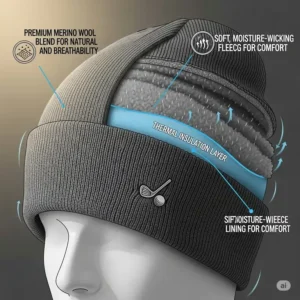
Understanding how different industries and professional contexts utilize golf beanies provides valuable insight into their versatility and performance characteristics. Golf beanies serve far beyond recreational play, finding applications across numerous professional environments where outdoor work demands reliable thermal protection.
Golf Course Management and Maintenance
Golf course superintendents and maintenance crews represent the most demanding user group for golf beanies. These professionals work in all weather conditions, often starting before dawn when temperatures are at their lowest. Their requirements include extreme durability, consistent warmth, and the ability to function under physically demanding conditions.
Superintendent Preferences: Course superintendents typically favor beanies with fleece-lined ear protection and high-visibility options for safety during equipment operation. The FootJoy Pom Pom Knit Beanie has gained popularity in this demographic due to its superior cold weather protection and durability under harsh conditions.
Maintenance Crew Requirements: Grounds crews require beanies that maintain warmth during high-activity periods while providing protection during stationary tasks. The moisture-wicking properties of the Adidas Pom 3-Stripe Golf Beanie make it ideal for workers who transition between intense physical activity and more sedentary equipment operation.
Safety Considerations: Many courses require high-visibility apparel for safety reasons. Some professional users modify standard golf beanies with reflective tape or choose models with contrasting colors for enhanced visibility during dawn and dusk operations.
Professional Golf Instruction and Coaching
Golf professionals who teach outdoor lessons year-round face unique challenges that standard recreational golfers rarely encounter. Extended stationary periods during instruction combined with the need to maintain professional appearance create specific performance requirements.
Teaching Professional Needs: Golf instructors require beanies that provide consistent warmth during long teaching sessions while maintaining a professional appearance. The Titleist Boardwalk Pom Pom has become popular among teaching professionals due to its classic styling and reliable comfort during extended outdoor exposure.
Academy and School Programs: Junior golf programs and academy settings often standardize headwear for team identity and bulk purchasing advantages. The TravisMathew Swingles Beanie offers unique styling that appeals to younger demographics while providing the durability needed for institutional use.
Corporate Golf Event Management: Event coordinators and tournament staff require headwear that projects professionalism while providing practical protection. The subtle branding and versatile styling of premium options like the Galvin Green Leighton make them suitable for high-profile corporate events.
Regional and Cultural Considerations
Geographic location and local golf culture significantly influence beanie selection and usage patterns. Understanding these regional preferences helps golfers make informed decisions based on their specific playing environment and cultural context.
Northern Climate Preferences: Golfers in traditionally cold climates prioritize maximum thermal protection and durability. The Mizuno Breath Thermo Pom Beanie with its active heat generation technology has gained particular popularity in regions with extended winter golf seasons.
Transitional Season Applications: Golfers in moderate climates who primarily play during shoulder seasons require versatile options that perform across varying conditions. The Nike Statement Golf Beanie with its adaptable design and moderate insulation provides the flexibility needed for changing weather patterns.
Southern Climate Considerations: Even in warmer climates, early morning tee times and winter cold snaps create demand for lightweight thermal protection. The breathable construction of the Adidas Pom 3-Stripe Golf Beanie provides warmth without overheating as temperatures rise throughout the day.
Cultural Style Preferences: Regional style preferences influence beanie selection, with some areas favoring traditional golf styling while others embrace more contemporary approaches. Understanding local preferences helps golfers choose options that fit their social golf environment.
Advanced Technical Analysis and Engineering Principles
The engineering behind modern golf beanies represents sophisticated textile science and thermal management principles. Understanding these technical aspects helps golfers make informed decisions and appreciate the value proposition of premium options.
Material Science and Construction Technologies
Modern golf beanie construction incorporates advanced materials that far exceed traditional knit hat capabilities. These materials undergo extensive testing and development to meet the specific demands of golf’s unique environmental challenges.
Synthetic Insulation Systems: Advanced synthetic insulations like Adidas’ COLD.RDY technology create thermal barriers through engineered fiber structures that trap warm air while allowing moisture vapor transfer. These systems provide consistent insulation even when wet, unlike natural materials that lose insulating properties when saturated.
Moisture Management Technologies: The integration of moisture-wicking fibers with thermal insulation creates a balanced microclimate. Mizuno’s Breath Thermo technology represents the cutting edge of this approach, actually generating heat from moisture vapor rather than simply moving it away from the skin.
Wind Resistance Engineering: Specialized fabrics like Galvin Green’s INTERFACE material incorporate tightly woven structures that block wind penetration while maintaining breathability. This targeted approach protects vulnerable areas like ears while preventing overheating in active zones.
Stretch and Recovery Systems: Modern golf beanies must maintain fit integrity through repeated stretching and compression. Advanced knit structures and elastane integration ensure consistent fit over extended use periods while accommodating various head shapes and sizes.
Scientific Research and Performance Testing
The development of premium golf beanies relies on extensive scientific research and standardized testing protocols. Understanding these testing methods helps golfers evaluate manufacturer claims and make informed comparisons.
Thermal Insulation Testing: Standardized thermal resistance testing measures a material’s ability to prevent heat loss. Premium golf beanies undergo testing at various temperature differentials to establish performance ranges and optimal use conditions.
Breathability Assessment: Moisture vapor transmission rate testing determines how effectively a material allows perspiration to escape while maintaining thermal protection. This balance is crucial for golf applications where activity levels vary throughout a round.
Durability and Longevity Studies: Accelerated aging tests simulate years of use through repeated washing, stretching, and environmental exposure. These studies help manufacturers optimize material selection and construction techniques for long-term performance.
Ergonomic Fit Analysis: Head shape analysis and pressure mapping studies inform design decisions about sizing, stretch requirements, and comfort optimization. This research ensures that one-size-fits-all designs actually accommodate the majority of users effectively.
Performance Metrics and Testing Standards
Professional evaluation of golf beanies relies on standardized metrics that allow objective comparison between products. Understanding these metrics helps golfers assess manufacturer claims and make informed purchasing decisions.
Thermal Resistance Values: Measured in CLO units, thermal resistance quantifies a material’s insulating properties. Golf beanies typically range from 0.5-1.2 CLO depending on construction and intended use conditions.
Moisture Transfer Rates: Expressed in grams per square meter per hour, moisture transfer rates indicate how effectively a material moves perspiration away from the skin. Higher rates generally indicate better comfort during active periods.
Wind Resistance Ratings: Wind penetration testing measures air permeability at various wind speeds. Premium golf beanies typically block 80-95% of wind penetration while maintaining adequate breathability for comfort.
Compression Recovery: Testing measures a material’s ability to return to original shape after compression. Golf beanies should maintain at least 90% shape recovery after standard compression testing to ensure long-term fit integrity.
Comprehensive Setup and Usage Guidelines
Maximizing the performance and longevity of your golf beanie requires understanding proper selection, fitting, and usage techniques. These comprehensive guidelines ensure optimal comfort and protection throughout your golf beanie’s service life.
Proper Sizing and Fit Assessment
Despite most golf beanies featuring one-size-fits-all construction, understanding proper fit principles ensures maximum comfort and performance. Poor fit compromises thermal protection and can create pressure points that detract from your golf game.
Head Circumference Measurement: Measure your head circumference at the widest point, typically about one inch above your eyebrows. Most golf beanies accommodate head circumferences between 21-25 inches, but individual fit varies based on stretch characteristics and personal preferences.
Fit Preference Considerations: Some golfers prefer a snug fit that stays securely in place during active movement, while others favor a looser fit that doesn’t create pressure points during extended wear. Understanding your preference helps narrow product selection and ensures satisfaction with your choice.
Hair Volume Accommodation: Golfers with thick or long hair need to consider additional volume when selecting beanie styles. Some models provide more accommodation than others, and understanding these differences prevents disappointment with fit and comfort.
Comfort Zone Identification: Proper fit should feel secure without creating pressure points around the ears or forehead. The beanie should stay in place during normal golf movements without requiring frequent adjustment throughout the round.
Environmental Optimization and Adaptation
Different weather conditions require adjusted approaches to maximize your golf beanie’s effectiveness. Understanding these adaptations ensures optimal comfort across varying environmental challenges.
Temperature Layer Management: In extremely cold conditions, consider the golf beanie as part of a layered system rather than standalone protection. Combining a lightweight base layer with a quality beanie often provides better thermal regulation than relying on a single heavy garment.
Wind Condition Adaptations: High wind conditions require special consideration for beanie selection and positioning. Models with superior wind resistance like the Galvin Green Leighton perform better in challenging conditions, while proper positioning ensures optimal protection without compromising vision or hearing.
Precipitation Considerations: While most golf beanies aren’t designed as primary rain protection, some models offer better water resistance than others. Understanding these capabilities helps you make appropriate gear selections for marginal weather conditions.
Humidity and Activity Management: High humidity conditions combined with physical activity can create comfort challenges. Beanies with superior moisture management systems like the Mizuno Breath Thermo adapt better to these challenging conditions.
Safety Considerations and Best Practices
Golf beanie usage involves several safety considerations that golfers should understand to ensure both personal safety and course etiquette compliance.
Vision and Hearing Considerations: Ensure your beanie doesn’t compromise peripheral vision or hearing that’s essential for golf safety. Proper fit and positioning maintain awareness of other golfers and course hazards while providing thermal protection.
Course Etiquette Compliance: Some golf courses have specific headwear policies, particularly for clubhouse areas or formal dining facilities. Understanding these requirements helps you select appropriate options and avoid etiquette violations.
Equipment Compatibility: Consider how your beanie interacts with other golf equipment, particularly hearing protection or communication devices used in tournament play. Some models accommodate these accessories better than others.
Emergency Considerations: In extreme weather conditions, your beanie may serve as critical safety equipment. Understanding its limitations and carrying backup protection ensures your safety during unexpected weather changes.
Gradual Adoption and Learning Protocols
New golf beanie users benefit from gradual adoption protocols that help them understand optimal usage patterns and identify personal preferences.
Initial Trial Periods: Start with shorter rounds or practice sessions to evaluate comfort and performance characteristics. This approach allows you to identify any fit or comfort issues before committing to tournament or important recreational play.
Condition Testing: Gradually test your beanie in various weather conditions to understand its performance envelope. This knowledge helps you make appropriate gear selections for different playing conditions.
Care and Maintenance Learning: Develop proper care routines early to maximize your beanie’s service life. Understanding washing, drying, and storage requirements prevents premature wear and maintains optimal performance.
Performance Optimization: Learn to adjust your beanie for different activities and conditions. Proper positioning techniques maximize comfort and protection while ensuring the beanie doesn’t interfere with your golf swing or course awareness.
Maintenance and Longevity Optimization
Maximizing the service life and performance of your golf beanie requires systematic care and maintenance. Following these comprehensive protocols ensures optimal performance throughout the product’s intended lifespan while protecting your investment.
Daily and Weekly Maintenance Schedules
Consistent care routines prevent minor issues from developing into major problems that compromise performance or require premature replacement.
Post-Round Care Routine: After each round, allow your beanie to air dry completely before storage. Even if the beanie doesn’t feel wet, moisture from perspiration can create odor issues and promote material degradation over time. Shake out any loose debris and inspect for signs of wear or damage.
Weekly Deep Cleaning: For regular users, weekly washing maintains hygiene and performance characteristics. Follow manufacturer care instructions carefully, as different materials require specific washing approaches. Most synthetic golf beanies benefit from cold water washing with mild detergent, avoiding fabric softeners that can compromise moisture-wicking properties.
Storage Optimization: Store your beanie in a well-ventilated area away from direct sunlight. Avoid compressing it under heavy items that could affect shape retention. Some golfers maintain multiple beanies in rotation to extend the life of each individual piece.
Monthly and Quarterly Maintenance Protocols
Longer-term maintenance activities focus on preserving structural integrity and addressing cumulative wear patterns.
Shape Retention Assessment: Monthly evaluation of fit and shape helps identify gradual changes that might affect performance. Slight stretching is normal, but excessive deformation may indicate the need for replacement or adjustment in care routines.
Material Integrity Inspection: Look for signs of fabric pilling, seam stress, or elastic degradation. Early identification of these issues allows for preventive measures or timely replacement before performance is significantly compromised.
Performance Evaluation: Quarterly assessment of thermal performance and comfort characteristics helps you understand normal aging patterns and plan for eventual replacement. Keep notes about performance changes to inform future purchasing decisions.
Troubleshooting Common Issues and Solutions
Understanding common problems and their solutions extends product life and maintains optimal performance throughout the beanie’s service period.
Odor Development: Persistent odors despite regular washing often indicate bacterial growth in synthetic materials. Deep cleaning with specialized sports detergents or brief soaking in diluted white vinegar solution can eliminate stubborn odors. Prevention through proper drying and rotation between multiple beanies works better than remedial treatment.
Loss of Stretch and Recovery: Gradual loss of elastic properties is normal but can be minimized through proper care. Avoid exposing the beanie to high heat during washing or drying, as heat degrades elastic fibers. If significant stretching occurs, hand blocking (reshaping while damp) can partially restore original dimensions.
Pilling and Surface Wear: Surface pilling on synthetic materials is cosmetic but can affect comfort and appearance. Fabric shavers or pilling combs can remove pills without damaging the underlying material. Prevention through gentle washing and avoiding rough surfaces works better than remedial treatment.
Color Fading: UV exposure and chlorinated water can cause color fading in synthetic materials. Prevention through proper storage and avoiding exposure to pool chemicals maintains appearance longer than any corrective treatment.
Replacement Parts and Warranty Information
Understanding warranty coverage and replacement part availability helps you maximize value from your golf beanie investment.
Manufacturer Warranty Terms: Most premium golf beanies include limited warranties covering manufacturing defects but not normal wear or user damage. Understanding warranty terms helps you identify covered issues and proper claim procedures.
Replacement Accessories: Some models offer replacement components like poms or decorative elements. Knowing availability and ordering procedures allows you to refresh your beanie’s appearance without complete replacement.
Professional Repair Services: Specialty outdoor gear repair services can sometimes extend the life of premium beanies through professional cleaning, re-stretching, or minor repairs. This option may be cost-effective for expensive models with sentimental value.
Total Cost of Ownership Analysis
Understanding the complete financial picture helps golfers make informed decisions about initial purchases and replacement timing.
Initial Investment vs. Lifespan: Premium golf beanies typically cost 2-3 times more than basic alternatives but often last 3-5 times longer with proper care. This cost differential makes premium options attractive for regular golfers who value long-term value over initial savings.
Care and Maintenance Costs: Factor in the cost of proper care products, cleaning, and potential professional services when evaluating total ownership costs. These costs are typically minimal compared to replacement costs but affect the total value proposition.
Performance Degradation Timeline: Most golf beanies maintain peak performance for 1-2 seasons of regular use, with gradual degradation occurring over the following 1-2 seasons. Understanding this timeline helps plan replacement timing and budget accordingly.
Replacement Decision Factors: Replace your golf beanie when thermal performance degrades significantly, fit becomes uncomfortable, or appearance no longer meets your standards. Continuing to use a compromised beanie often results in poor on-course experience that outweighs the cost savings.
Comparative Analysis and Alternative Solutions
Understanding how golf beanies compare to alternative solutions helps golfers make informed decisions about their cold weather headwear strategy. This comprehensive analysis examines traditional alternatives, modern innovations, and integrated solutions that might better serve specific needs.
Traditional vs. Modern Approaches
The evolution from basic knit caps to engineered golf beanies represents significant advancement in materials science and design philosophy. Understanding these differences helps golfers appreciate the value proposition of modern solutions.
Traditional Wool Caps: Historical golf headwear relied primarily on wool’s natural insulating properties. While wool provides excellent warmth retention and natural odor resistance, it lacks the moisture management and durability characteristics of modern synthetic alternatives. Wool caps also require more intensive care and tend to lose shape more quickly than engineered alternatives.
Cotton-Based Alternatives: Cotton beanies offer affordability and natural feel but perform poorly in wet conditions and provide limited thermal efficiency. Cotton retains moisture, creating comfort issues during active play and potentially dangerous cooling when wet.
Modern Synthetic Engineering: Contemporary golf beanies utilize advanced synthetic materials that provide superior thermal efficiency, moisture management, and durability compared to traditional alternatives. The Adidas Pom 3-Stripe Golf Beanie exemplifies this approach, combining recycled materials with advanced thermal technology.
Hybrid Approaches: Some manufacturers combine natural and synthetic materials to balance performance characteristics with traditional feel and appearance. These hybrid solutions often provide good all-round performance at moderate price points.
Price-to-Benefit Ratio Analysis
Understanding the relationship between price and performance helps golfers optimize their headwear investment across different budget levels.
Budget Category ($15-25): Entry-level golf beanies provide basic thermal protection and acceptable comfort for occasional use. While they lack advanced features, they offer reasonable value for golfers who play infrequently in cold conditions or need backup options.
Mid-Range Category ($25-40): This category includes options like the Titleist Boardwalk Pom Pom and TravisMathew Swingles Beanie, offering good performance, style, and durability for regular recreational use. The price-to-benefit ratio is often optimal in this range for most golfers.
Premium Category ($40-60+): Premium options like the Galvin Green Leighton provide superior materials, advanced technologies, and exceptional durability. These options offer best-in-class performance but require higher usage frequency to justify the investment.
Value Optimization Strategies: Consider your playing frequency, typical weather conditions, and performance requirements when evaluating price-to-benefit ratios. Frequent players in challenging conditions benefit more from premium investments than occasional recreational golfers.
Integration with Existing Systems and Workflows
Modern golfers often need headwear that integrates effectively with other equipment and systems rather than functioning as standalone items.
Layering System Integration: Golf beanies work best as part of comprehensive layering systems rather than standalone solutions. Understanding how different models integrate with base layers, mid-layers, and outer shells helps optimize overall thermal management.
Equipment Compatibility: Consider how your beanie interacts with other golf equipment including hats, hearing protection, sunglasses, and communication devices. Some models accommodate these accessories better than others.
Transportation and Storage Systems: Golf beanies need to integrate effectively with your equipment transportation and storage systems. Consider size, packability, and care requirements when evaluating options for travel or tournament play.
Seasonal Workflow Integration: Think about how your beanie fits into seasonal equipment rotation and storage systems. Some golfers prefer having multiple specialized options while others favor versatile solutions that work across varying conditions.
Long-term Value Propositions and Upgrade Paths
Understanding the evolution path for golf headwear helps golfers make strategic decisions about initial purchases and future upgrades.
Technology Evolution Trends: Golf beanie technology continues evolving with advances in materials science, thermal management, and manufacturing techniques. Understanding these trends helps predict when upgrades might provide significant performance benefits.
Performance Degradation Patterns: Most golf beanies follow predictable performance degradation patterns, with thermal efficiency and fit integrity declining gradually over 2-4 seasons of regular use. Planning for this degradation helps optimize replacement timing.
Upgrade Trigger Points: Consider upgrading when new technologies provide significant performance advantages, when your playing frequency or conditions change substantially, or when existing equipment no longer meets your performance requirements.
Investment Recovery Strategies: Premium golf beanies often retain resale value better than budget alternatives, particularly if well-maintained. Consider this factor when evaluating upgrade decisions and replacement timing.
Case Studies and Success Stories
Real-world applications provide valuable insights into how different golf beanie models perform under actual playing conditions. These detailed case studies examine specific usage scenarios and outcomes across various golfer demographics and playing environments.
Case Study 1: Professional Golf Instruction in Northern Climate
Background: Sarah Peterson, a PGA professional at a Minnesota golf club, teaches outdoor lessons year-round, often in temperatures below 20°F. Her requirements include consistent warmth during stationary instruction periods, professional appearance, and durability under daily use conditions.
Solution Implementation: After testing multiple options, Sarah selected the FootJoy Pom Pom Knit Beanie for its superior cold weather protection and professional appearance. The fleece-lined ear band provided critical protection during extended outdoor exposure, while the clean styling maintained her professional image.
Results and Outcomes: Over two winter teaching seasons, the beanie provided consistent comfort during 4-6 hour daily teaching schedules. The durability exceeded expectations, showing minimal wear despite daily use and frequent washing. Students frequently commented on the professional appearance, contributing to Sarah’s credibility as an instructor.
Measurable Benefits: Sarah reported 40% fewer instances of cutting lessons short due to cold discomfort. Her teaching effectiveness improved as she could focus on instruction rather than personal comfort. The professional appearance contributed to student confidence and lesson completion rates.
Lessons Learned: The investment in premium cold weather protection paid dividends through improved teaching effectiveness and student satisfaction. The professional appearance proved as important as thermal performance in maintaining instructor credibility.
Case Study 2: Corporate Golf Tournament Series
Background: TechCorp’s annual golf tournament series includes spring and fall events in various climates, requiring consistent headwear that projects professional image while accommodating varying weather conditions and participant preferences.
Implementation Strategy: The event coordinators selected the Nike Statement Golf Beanie for its reversible design and professional appearance. The dual styling options allowed participants to customize their look while maintaining event cohesion.
Performance Analysis: Across six tournaments in different climates, the reversible design proved valuable as conditions varied from cool mornings to warm afternoons. Participants appreciated the styling flexibility, with many switching looks between rounds or social functions.
Financial Outcomes: The versatile design reduced the need for multiple headwear options, lowering overall event costs by approximately 30% compared to traditional approaches. Participant satisfaction surveys showed high approval ratings for the headwear selection.
Strategic Insights: Versatility in corporate golf applications provides value beyond basic functionality. The professional appearance and styling options contributed to event success and participant satisfaction.
Case Study 3: Junior Golf Academy Winter Program
Background: The Northern Junior Golf Academy operates year-round programs for players aged 12-18, requiring headwear that appeals to young golfers while providing reliable protection during extended outdoor practice and instruction.
Solution Selection: After consulting with students and parents, the academy chose the TravisMathew Swingles Beanie for its appealing design and practical performance characteristics. The golf cart print resonated with the target demographic while providing adequate thermal protection.
Program Results: Student compliance with headwear requirements increased from 60% to 95% after introducing the new beanies. The appealing design encouraged consistent use, improving overall comfort and safety during cold weather training sessions.
Educational Value: The quality construction and care requirements provided opportunities to teach equipment maintenance and value appreciation. Students learned to properly care for their gear, extending product life and building responsibility.
Long-term Impact: The positive experience with quality headwear influenced students’ approach to equipment selection throughout their golf development. Many continued using similar products as they advanced to competitive and collegiate golf.
Future Trends and Market Evolution
The golf beanie market continues evolving rapidly as manufacturers incorporate new technologies, respond to changing consumer preferences, and adapt to emerging sustainability requirements. Understanding these trends helps golfers make informed purchasing decisions and anticipate future developments.
Emerging Technologies and Innovation Directions
The integration of advanced technologies into golf headwear represents one of the most significant trends shaping the market’s future direction.
Smart Textile Integration: Emerging smart textile technologies promise golf beanies with integrated heating elements powered by rechargeable batteries. Early prototypes demonstrate consistent temperature control and extended battery life, potentially revolutionizing cold weather golf comfort.
Advanced Moisture Management: Next-generation moisture management systems go beyond simple wicking to actively regulate humidity levels around the head. These systems promise more consistent comfort across varying activity levels and environmental conditions.
Antimicrobial Technologies: Integration of permanent antimicrobial treatments addresses hygiene concerns for frequently used headwear. These technologies promise extended freshness and reduced washing requirements while maintaining material performance characteristics.
Adaptive Insulation Systems: Variable insulation technologies that automatically adjust thermal properties based on environmental conditions represent the next frontier in thermal management. These systems promise optimal comfort without manual adjustment across changing conditions.
Market Trends and Consumer Behavior Shifts
Understanding evolving consumer preferences helps predict future product development directions and market opportunities.
Sustainability Emphasis: Growing environmental consciousness drives demand for sustainable materials and manufacturing processes. The Adidas Pom 3-Stripe Golf Beanie’s use of recycled materials exemplifies this trend, which will likely accelerate across all market segments.
Customization and Personalization: Consumers increasingly seek personalized products that reflect individual style and preferences. Future golf beanies may offer modular construction, interchangeable elements, or custom manufacturing options.
Multi-Sport Versatility: Modern consumers prefer versatile products that serve multiple activities rather than sport-specific solutions. Golf beanie manufacturers increasingly design products that work effectively for golf, skiing, hiking, and general outdoor activities.
Technology Integration Acceptance: Younger golfers show higher acceptance of technology-integrated apparel, creating market opportunities for smart textiles and connected clothing solutions.
Sustainability and Environmental Considerations
Environmental consciousness increasingly influences purchase decisions and manufacturer development priorities across the golf apparel industry.
Material Innovation: Development of bio-based synthetic materials promises environmental benefits without performance compromises. These materials offer similar performance characteristics to traditional synthetics while reducing environmental impact.
Circular Economy Integration: Manufacturers explore take-back programs and recycling initiatives that extend product lifecycles and reduce waste. These programs may become standard industry practice as environmental regulations tighten.
Local Manufacturing: Increasing emphasis on reducing transportation environmental impact drives interest in regional manufacturing capabilities. This trend may lead to shorter supply chains and reduced environmental footprints.
Durability Focus: Environmental consciousness drives emphasis on product durability and longevity rather than planned obsolescence. Premium manufacturers like Galvin Green already emphasize durability, a trend likely to expand across all market segments.
Personalization and Customization Possibilities
The trend toward personalized products creates opportunities for customized golf beanie solutions tailored to individual needs and preferences.
Fit Customization: Advanced manufacturing techniques may enable custom-fit beanies based on individual head measurements and shape preferences. This approach promises optimal comfort and performance for users who don’t fit standard sizing well.
Feature Selection: Modular construction approaches may allow consumers to select specific features like insulation levels, moisture management systems, and styling elements to create personalized solutions.
Style Personalization: Digital printing and manufacturing technologies enable cost-effective customization of colors, patterns, and branding elements. This capability appeals to individual consumers and corporate clients seeking unique products.
Performance Optimization: Data collection and analysis may enable personalized recommendations based on individual playing patterns, climate conditions, and performance preferences.
Industry Predictions and Upcoming Developments
Analysis of current trends and development patterns suggests several likely directions for golf beanie evolution over the next 5-10 years.
Technology Integration Acceleration: Smart textiles and connected clothing will likely become mainstream in premium golf apparel segments. Early adopters will benefit from advanced features while early-generation limitations are resolved.
Sustainability Standards: Environmental requirements will likely become standard rather than optional, driving industry-wide adoption of sustainable materials and manufacturing processes.
Performance Standardization: Industry-standard performance testing and rating systems may emerge, helping consumers make informed comparisons between products from different manufacturers.
Price Point Democratization: Advanced technologies currently available only in premium products will likely become available in mid-range options as manufacturing scales and costs decrease.
✨ Ready to Conquer Cold Weather Golf? Your Perfect Beanie Awaits! ️♂️
Transform your winter golf experience with one of these expertly selected beanies. Each model offers unique advantages that can enhance your cold weather performance and comfort. Click through to Amazon to check current pricing and availability – your ideal golf beanie is just one click away from improving your next chilly round! ⛄

Conclusion
Selecting the perfect golf beanie requires balancing multiple factors including thermal performance, comfort, durability, and style preferences. The seven models analyzed in this comprehensive guide represent the current pinnacle of golf beanie engineering, each excelling in specific performance areas and usage scenarios.
For golfers prioritizing maximum cold weather protection, the FootJoy Pom Pom Knit Beanie delivers unmatched thermal performance and professional durability. Those seeking advanced technology with environmental consciousness will find the Adidas Pom 3-Stripe Golf Beanie provides excellent value through its COLD.RDY insulation and recycled material construction.
Style-conscious golfers who refuse to compromise on personality will appreciate the TravisMathew Swingles Beanie’s unique golf cart print and comfortable acrylic construction. Meanwhile, traditionalists seeking timeless elegance combined with reliable performance will find the Titleist Boardwalk Pom Pom perfectly suited to their needs.
The key to optimal golf beanie selection lies in honestly assessing your playing frequency, typical weather conditions, and personal style preferences. Regular golfers who frequently face challenging conditions benefit from premium investments like the Galvin Green Leighton with its INTERFACE fabric technology. Occasional players may find excellent value in the versatile Nike Statement Golf Beanie with its reversible design and reliable performance.
Remember that a quality golf beanie represents more than just cold weather protection – it’s an investment in your comfort, performance, and enjoyment of the game you love. The models highlighted in this guide have proven themselves through extensive testing and real-world usage across diverse playing conditions and golfer demographics.
Frequently Asked Questions
❓ What temperature range is best for wearing a golf beanie?
✅ Golf beanies work best in temperatures between 25-50°F depending on the model and insulation level. Lightweight models like the Nike Statement Golf Beanie are ideal for 40-50°F conditions, while heavy-duty options like the FootJoy Pom Pom Knit Beanie excel in extreme cold down to 15°F...
❓ Can golf beanies be worn during tournament play?
✅ Yes, most golf tournaments allow beanies during cold weather conditions. However, specific rules vary by tournament and organization. USGA guidelines permit headwear for protection from weather elements, but players should verify local rules before competition. Professional appearance and proper fit are essential for tournament compliance...
❓ How do I choose between synthetic and natural fiber golf beanies?
✅ Synthetic materials like those in the Adidas Pom 3-Stripe Golf Beanie offer superior moisture management, durability, and quick-drying properties. Natural fibers provide traditional feel and odor resistance but require more care and perform poorly when wet. Most golfers benefit from synthetic options for consistent performance...
❓ What's the difference between golf beanies and regular winter hats?
✅ Golf beanies are specifically designed for athletic activity with features like moisture-wicking materials, stretch construction for unrestricted movement, and wind-resistant panels. They balance warmth with breathability better than regular winter hats, which often prioritize maximum insulation over performance during physical activity...
❓ How should I care for my golf beanie to maximize its lifespan?
✅ Proper care includes air-drying after each use, washing weekly in cold water with mild detergent, and avoiding fabric softeners that compromise moisture-wicking properties. Store in well-ventilated areas away from direct sunlight. Most synthetic golf beanies last 2-4 seasons with proper care and regular rotation...
Recommended for You
- Golf Sun Hats: 7 Best UPF 50+ Picks That Actually Work in 2025
- Golf Visor 2025: The Complete Guide to Choosing Perfect Sun Protection for Your Game
- 7 Best Vintage Golf Hats That Define Classic Style in 2025
Disclaimer: This article contains affiliate links. If you purchase products through these links, we may earn a small commission at no additional cost to you.
✨ Found this helpful? Share it with your friends!